
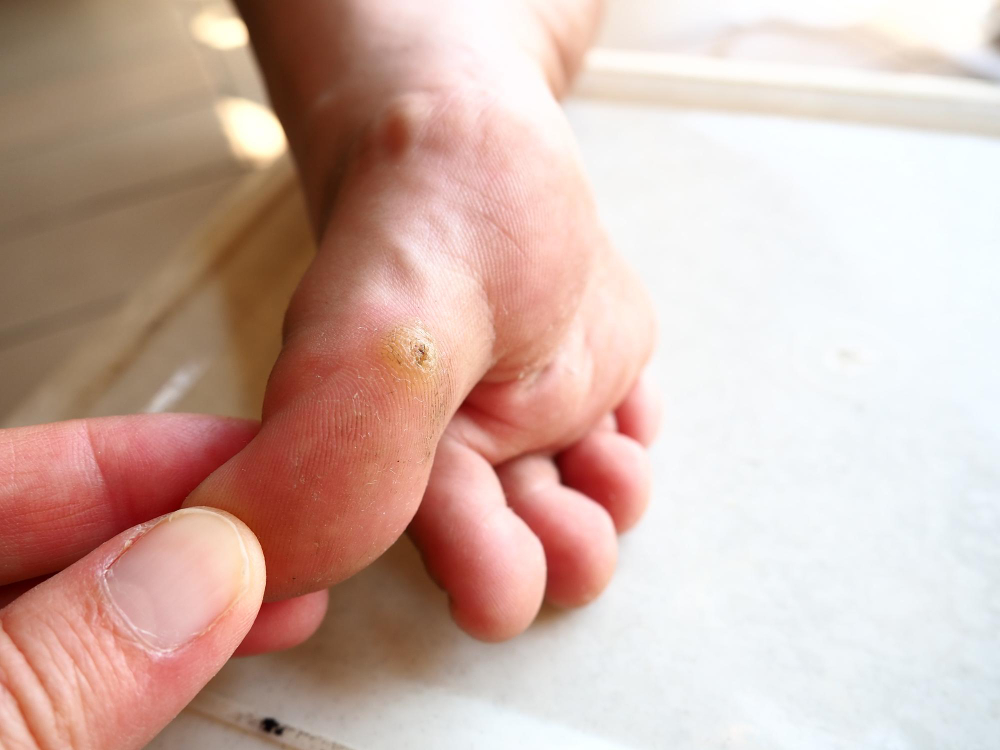
Plantar Wart Treatment in Pembroke Pines & Plantation
Plantar warts are small, rough growths on the bottom of the feet caused by the human papillomavirus (HPV), which enters the skin through tiny cuts and breaks. While most plantar warts are not a major health concern, they can be painful, spread, and be stubborn to remove. At Daniel Bell, DPM - Foot & Ankle Institute, Daniel Bell, DPM examines and treats plantar warts so you can walk and stand comfortably again.
What Causes Plantar Warts?
HPV thrives in warm, moist environments such as pool decks, locker rooms, and communal showers. When bare feet come into contact with these surfaces, the virus can enter through small cracks or cuts in the skin. Children, teens, people with weakened immune systems, and those who frequently walk barefoot in public areas are at higher risk.
Signs and Symptoms
- Small, rough, grainy lesions on the bottom of the foot
- A hard, thickened area of skin that looks like a callus
- Tiny black dots, which are small clotted blood vessels
- Pain or tenderness when walking or standing for long periods
- Clusters of warts, known as mosaic warts
Because plantar warts can resemble calluses or corns, a professional evaluation helps ensure you receive the right treatment.
Why See a Podiatrist for Warts?
Over-the-counter wart treatments can take months and often fail on thick plantar skin. Attempting to cut or burn warts at home can damage healthy tissue and lead to infection. People with diabetes or poor circulation should never treat warts on their own and should rely on professional diabetic foot care to avoid creating wounds.
Plantar Wart Treatment Options
Dr. Bell will recommend treatment based on the size, number, and location of your warts:
- Professional debridement to remove thickened wart tissue
- Prescription-strength topical medications
- In-office treatments that destroy the wart tissue
- Therapies that stimulate the immune response against the virus
- Minor excision for persistent warts
- Padding and custom orthotics to relieve pressure while warts heal
Preventing Plantar Warts
Wear sandals in public showers and pool areas, keep your feet clean and dry, avoid touching or picking at warts, and do not share towels or shoes. Children and athletes, including those we treat through our sports medicine services, are especially prone to picking up warts at pools and gyms. Learn about other skin and nail conditions like athlete’s foot and toenail fungus, or view all conditions we treat.
Plantar Wart FAQs
Are plantar warts contagious?
Yes. The virus that causes plantar warts can spread through direct contact and shared surfaces like showers and pool decks.
How can I tell a wart from a callus?
Warts often have tiny black dots and disrupt the normal skin lines, while calluses do not. A podiatrist can confirm the diagnosis.
Do plantar warts go away on their own?
Some warts eventually resolve, but many persist for months or years and can spread, so treatment is often recommended.
Is plantar wart removal painful?
Most treatments cause minimal discomfort, and local anesthesia is used for procedures that require it.
Why do my warts keep coming back?
Warts can return if the virus remains in the skin. Following your full treatment plan and prevention tips helps reduce recurrence.
Should children with warts see a podiatrist?
Yes. Children are prone to plantar warts, and a podiatrist can recommend safe, effective treatment.
Can I use duct tape or over-the-counter products?
Some people try home remedies, but they often fail on plantar warts. Professional treatment is usually faster and more effective.
Say Goodbye to Painful Plantar Warts
Get effective wart treatment from a foot specialist. Call (954) 942-5005 - Pembroke Pines Office or (954) 942-5005 - Plantation Office or request an appointment online with Dr. Bell.