
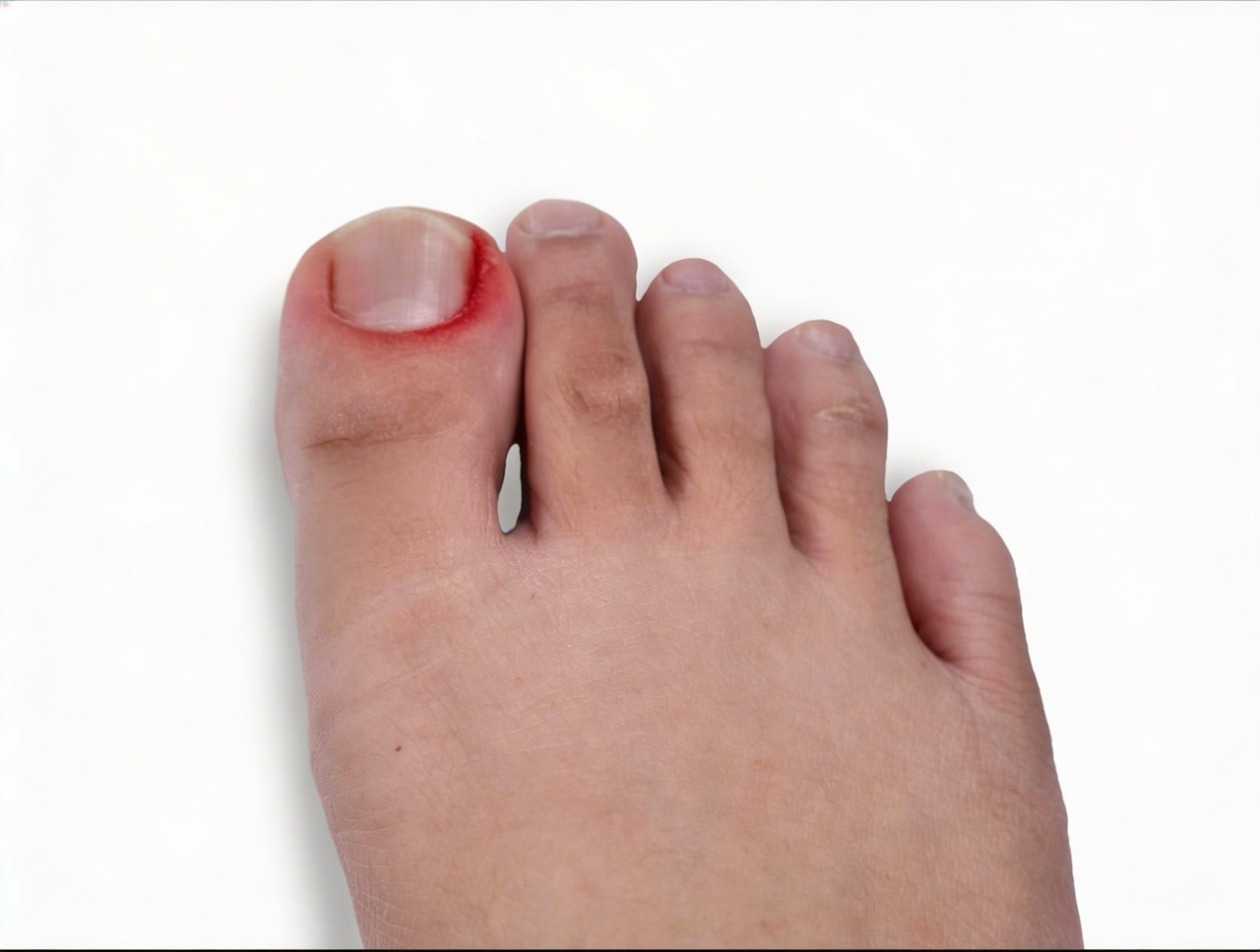
Ingrown Toenail Treatment in Pembroke Pines & Plantation
Most of us have trimmed our toenails too short at some point, and sometimes that simple mistake leads to a painful ingrown toenail. An ingrown nail occurs when the edge of the nail grows down into the surrounding skin instead of straight out, causing pain, swelling, and often infection. At Daniel Bell, DPM - Foot & Ankle Institute, Daniel Bell, DPM provides quick, effective in-office treatment for ingrown toenails and helps prevent them from coming back.
What Causes Ingrown Toenails?
Ingrown toenails are most common on the sides of the big toe. Causes include:
- Cutting nails too short or rounding the corners
- Tight or narrow shoes and socks that press on the toes
- Injury to the toe, such as stubbing or dropping something on it
- Fungal infections that thicken or distort the nail, like toenail fungus
- Inherited nail shape or poor foot structure
- Repetitive pressure from sports such as soccer, running, and dance
Symptoms
- Pain and tenderness along the side of the nail
- Redness and swelling around the toe
- Drainage, pus, or a foul odor, which can signal infection
- Overgrowth of skin along the nail border
At-Home Care for Mild Cases
For mild ingrown nails without infection, warm water soaks several times a day, properly fitted shoes and socks, and keeping the area clean may help. Avoid digging into the nail or cutting it yourself, as “bathroom surgery” often makes the problem worse and can cause infection.
Professional Ingrown Toenail Treatment
When an ingrown nail is painful, infected, or keeps coming back, Dr. Bell can help with:
- Gently lifting or trimming the ingrown nail edge
- A simple in-office procedure under local anesthesia to remove the offending nail border
- Permanent treatment of the nail root for recurring ingrown nails
- Antibiotics if an infection is present
Most patients return to normal activities quickly after treatment.
When Ingrown Nails Become Serious
For people with diabetes or poor circulation, an ingrown toenail can quickly lead to a serious infection or wound. These patients should never treat ingrown nails at home and should rely on professional diabetic foot care. Older adults with thick nails benefit from geriatric foot care, and young athletes are often treated through our sports medicine services.
Preventing Ingrown Toenails
Trim toenails straight across rather than rounded, keep them at a moderate length, and wear shoes with enough room for your toes. Learn about related conditions such as athlete’s foot or view all conditions we treat and podiatry services.
Ingrown Toenail FAQs
How do I know if my ingrown toenail is infected?
Signs of infection include increasing redness, swelling, warmth, pus or drainage, and worsening pain.
Can an ingrown toenail heal on its own?
Mild cases may improve with warm soaks and proper footwear, but painful, infected, or recurring ingrown nails need professional treatment.
Does ingrown toenail removal hurt?
The toe is numbed with local anesthesia, so most patients feel little discomfort during the procedure.
How long does it take to recover?
Most patients return to normal activities within a day or two, with full healing over a couple of weeks.
Can ingrown toenails be prevented?
Trimming nails straight across, avoiding tight shoes, and protecting your toes from injury help prevent ingrown nails.
Why do my ingrown toenails keep coming back?
Recurring ingrown nails may be due to nail shape. A permanent procedure that treats the nail root can stop them from returning.
Should people with diabetes treat ingrown nails at home?
No. People with diabetes should see a podiatrist for ingrown nails to reduce the risk of serious infection.
Get Fast Relief From Ingrown Toenail Pain
Don’t wait for an ingrown nail to get worse. Call (954) 942-5005 - Pembroke Pines Office or (954) 942-5005 - Plantation Office or request an appointment online with Dr. Bell.