
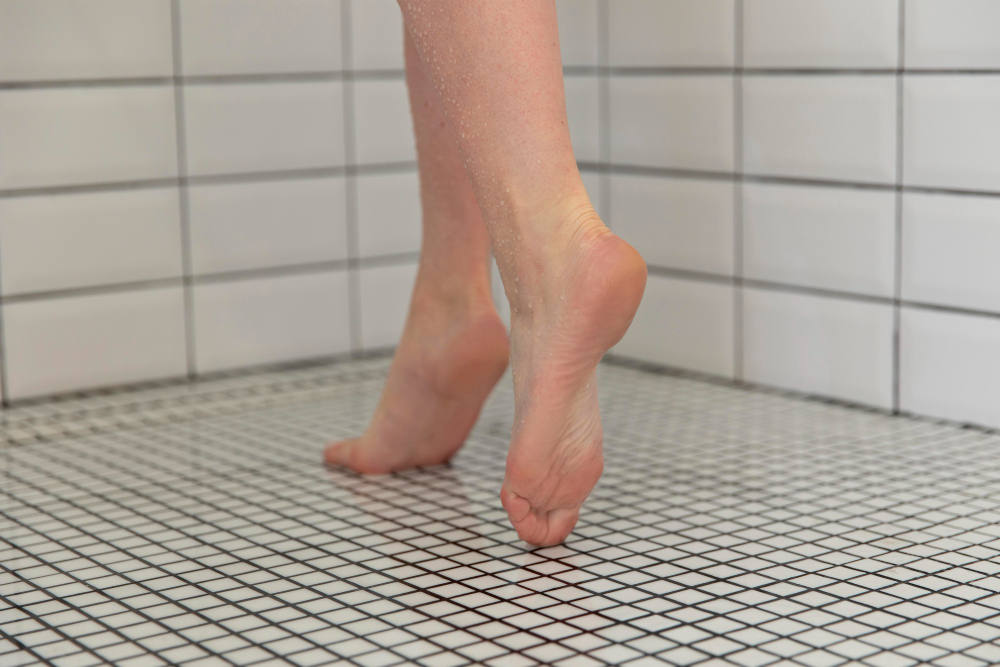
Athlete’s Foot Treatment in Pembroke Pines & Plantation
Athlete’s foot (tinea pedis) is a contagious fungal infection that usually begins between the toes. It often develops when sweaty feet are confined in tight shoes for long periods, a common problem in South Florida’s heat and humidity. At Daniel Bell, DPM - Foot & Ankle Institute, Daniel Bell, DPM provides effective treatment to clear the infection, relieve itching and burning, and reduce the chance of it coming back.
What Causes Athlete’s Foot?
The fungi that cause athlete’s foot thrive in warm, moist environments. You can pick up the infection by walking barefoot in locker rooms, gym showers, pool decks, and other shared spaces, or by sharing towels, socks, and shoes. Risk factors include:
- Sweaty feet and damp socks
- Tight, non-breathable footwear
- Walking barefoot in public areas
- A weakened immune system or diabetes
- Minor skin or nail injuries
Signs and Symptoms
- Scaly, peeling, or cracked skin, especially between the toes
- Itching, stinging, and burning
- Redness and inflammation
- Blisters on the soles or sides of the feet
- Dry, thickened skin on the bottom of the feet
Left untreated, athlete’s foot can spread to the toenails and cause toenail fungus, or to the hands and groin. Cracked skin can also allow bacteria to enter, which is especially concerning for people who need diabetic foot care.
Treatment for Athlete’s Foot
Mild cases may respond to over-the-counter antifungal creams, but the infection frequently returns. Dr. Bell can confirm the diagnosis and recommend:
- Prescription-strength topical antifungal medications
- Oral antifungal medication for stubborn or widespread infections
- Treatment of any secondary bacterial infection
- Guidance on footwear, socks, and hygiene to prevent recurrence
If the infection has reached the nails, advanced options like ToeFX Light Therapy may be recommended.
Preventing Athlete’s Foot
- Wash and thoroughly dry your feet daily, especially between the toes
- Wear moisture-wicking socks and change them when damp
- Rotate shoes so they dry out completely
- Wear sandals in locker rooms and public showers
- Avoid sharing towels, socks, or shoes
Athletes can learn more through our sports medicine care, and older adults benefit from routine geriatric foot care. Explore other skin conditions like warts, corns, and calluses, or view all conditions we treat.
Athlete’s Foot FAQs
Is athlete’s foot contagious?
Yes. Athlete’s foot spreads through direct contact and shared surfaces such as showers, pool decks, towels, and shoes.
How long does athlete’s foot last?
With proper treatment, most cases clear in two to four weeks, though stubborn infections can take longer.
Why does my athlete’s foot keep coming back?
Recurrence is common when treatment stops too early, shoes remain contaminated, or feet stay damp. Prescription treatment and prevention habits help.
Can athlete’s foot spread to my toenails?
Yes. The same fungi can infect the toenails, causing thick, discolored nails that are harder to treat.
Should I see a podiatrist for athlete’s foot?
See a podiatrist if over-the-counter treatment fails, the infection keeps returning, you have diabetes, or there are signs of infection.
Can athlete’s foot be dangerous for people with diabetes?
Cracked skin from athlete’s foot can let bacteria in, which raises the risk of serious infection in people with diabetes.
How can I prevent athlete’s foot?
Keep feet clean and dry, wear breathable shoes and moisture-wicking socks, and wear sandals in public showers and locker rooms.
Clear Up Athlete’s Foot for Good
Stop the itching and burning. Call (954) 942-5005 - Pembroke Pines Office or (954) 942-5005 - Plantation Office or request an appointment online with Dr. Bell in Pembroke Pines or Plantation.