
Callus Treatment in Pembroke Pines & Plantation
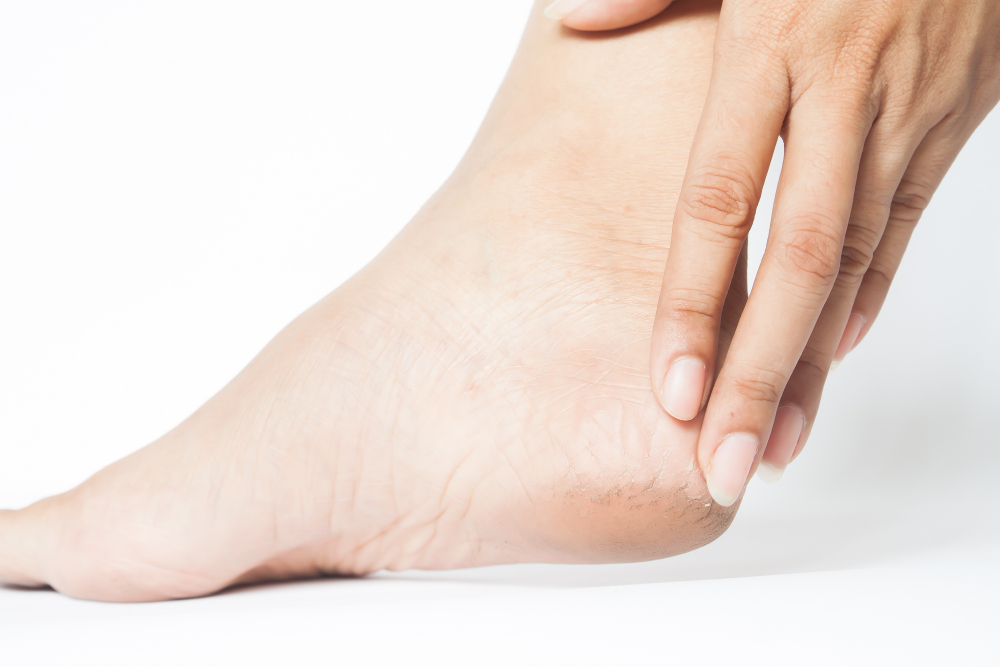
Calluses are thick, hardened patches of skin that form where your feet experience repeated pressure or friction, most often on the heels and balls of the feet. They are usually larger than corns and often painless, but thick calluses can crack, become sore, or hide more serious problems. At Daniel Bell, DPM - Foot & Ankle Institute, Daniel Bell, DPM safely reduces calluses and treats the pressure points that cause them.
How Calluses Form
A callus is your skin’s natural way of protecting itself. When the same area of the foot is rubbed or pressed again and again, the skin thickens to shield the tissue underneath. Calluses vary in size and shape and are typically broader and flatter than corns.
Common causes include:
- Shoes that are too tight, too loose, or have thin soles
- Walking barefoot frequently
- Standing or walking for long hours
- Abnormal gait or foot structure, including flat feet and high arches
- Deformities such as bunions and hammertoes
When a Callus Becomes a Problem
Most calluses are harmless, but you should see a podiatrist if a callus:
- Becomes painful or tender
- Cracks, bleeds, or drains
- Develops a dark spot underneath
- Appears on a foot with reduced sensation or circulation
For people with diabetes, calluses can hide ulcers forming beneath the skin. This makes regular diabetic foot care essential, and any open area should receive prompt wound care.
Callus Treatment
Treatment focuses on safely removing the thickened skin and reducing the pressure that created it:
- In-office debridement to thin the callus
- Moisturizing and exfoliating recommendations
- Cushioned padding and protective insoles
- Custom orthotics to redistribute pressure across the foot
- Footwear guidance for proper fit and support
- Treatment of underlying deformities, including surgical correction in recurring cases
Calluses are also common among older adults, who benefit from routine geriatric foot care, and among runners we see through our sports medicine services. See all conditions we treat.
Callus FAQs
What is the difference between a corn and a callus?
Calluses are broader, flatter patches of thick skin, usually on the soles, while corns are smaller, have a hard core, and are often painful.
Are calluses bad for your feet?
Most calluses are harmless, but thick or cracked calluses can become painful, and in people with diabetes they can hide ulcers.
Should I shave off my calluses?
Avoid using razors or blades at home. A podiatrist can safely reduce calluses without damaging healthy skin.
Why do my calluses keep coming back?
Calluses return when the underlying pressure or friction continues. Orthotics, padding, and proper footwear help prevent recurrence.
Can orthotics help calluses?
Yes. Custom orthotics redistribute pressure across the foot, which can reduce how quickly calluses form.
Do people with diabetes need special callus care?
Yes. People with diabetes should have calluses treated professionally because ulcers can develop beneath thick skin.
How can I prevent calluses?
Wear well-fitting, cushioned shoes, use moisture-wicking socks, moisturize your feet, and address foot alignment problems.
Get Comfortable, Healthy Feet
Thick or painful calluses don’t have to slow you down. Call (954) 942-5005 - Pembroke Pines Office or (954) 942-5005 - Plantation Office or request an appointment online with Dr. Bell.