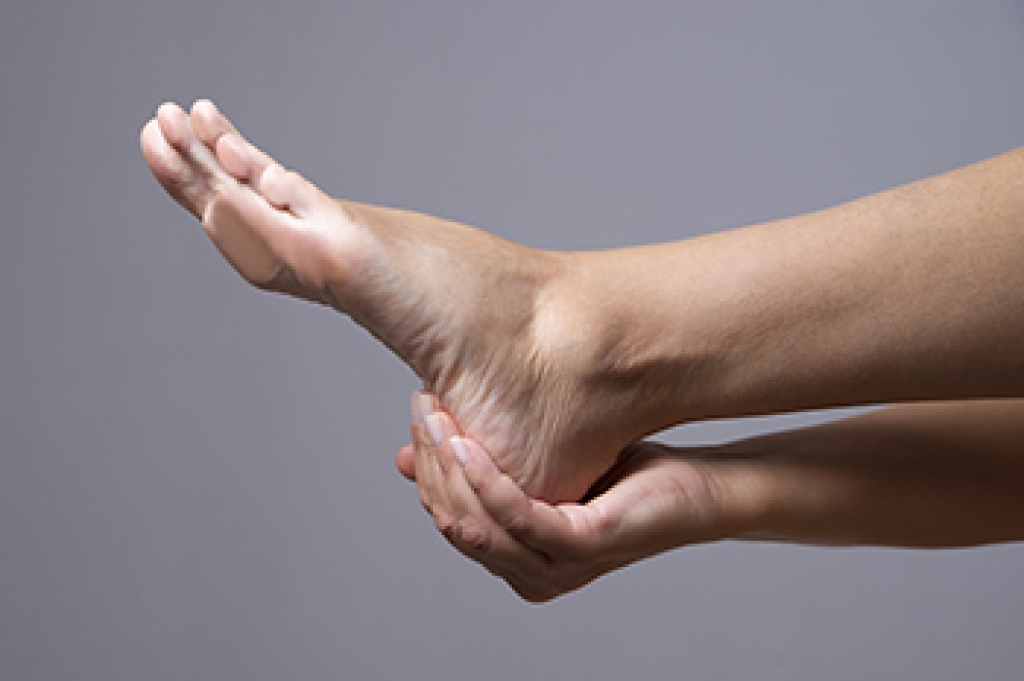
Types of Foot Arch Pain

The arches of the feet work to transfer the weight from the heels to the toes when you walk. When the tendons and ligaments of the foot, which make up the arch, are inflamed they can cause pain and discomfort. The main type of arch pain comes from plantar fasciitis. The plantar fascia is a band of tissue that connects the toes to the heels, and it can become inflamed and painful. Another cause of arch pain is a bone fracture or sprained ligament. Arthritis and flat feet also may result in arch pain. The type and cause of the arch pain will dictate how to handle it. Grade 1 arch pain happens during activity. Grade 2 occurs before and after the activity but doesn’t impede the activity itself. Grade 3 arch pain occurs before, during, and after activity, and it also affects performance. Finally, with Grade 4 arch pain, activity is difficult, and pain is constant. For more information on how to deal with foot arch pain, it is suggested that you make an appointment with a podiatrist.

Foot Pain

Foot pain can be extremely painful and debilitating. If you have a foot pain, consult with Daniel Bell, DPM from Florida. Our doctor will assess your condition and provide you with quality foot and ankle treatment.

Causes

Foot pain is a very broad condition that could be caused by one or more ailments. The most common include:

  • Bunions
  • Hammertoes
  • Plantar Fasciitis
  • Bone Spurs
  • Corns
  • Tarsal Tunnel Syndrome
  • Ingrown Toenails
  • Arthritis (such as Gout, Rheumatoid, and Osteoarthritis)
  • Flat Feet
  • Injury (from stress fractures, broken toe, foot, ankle, Achilles tendon ruptures, and sprains)
  • And more

Diagnosis

To figure out the cause of foot pain, podiatrists utilize several different methods. This can range from simple visual inspections and sensation tests to X-rays and MRI scans. Prior medical history, family medical history, and any recent physical traumatic events will all be taken into consideration for a proper diagnosis.

Treatment

Treatment depends upon the cause of the foot pain. Whether it is resting, staying off the foot, or having surgery; podiatrists have a number of treatment options available for foot pain.

If you have any questions, please feel free to contact our office located in Pembroke Pines and Plantation, FL . We offer the newest diagnostic and treatment technologies for all your foot care needs.

Read more about Foot Pain

Heel Pain in the Morning?

Heel pain can negatively affect your day-to-day life. Simple activities like walking can become incredibly uncomfortable or painful due to heel pain.

Don’t live with heel pain and get treated.

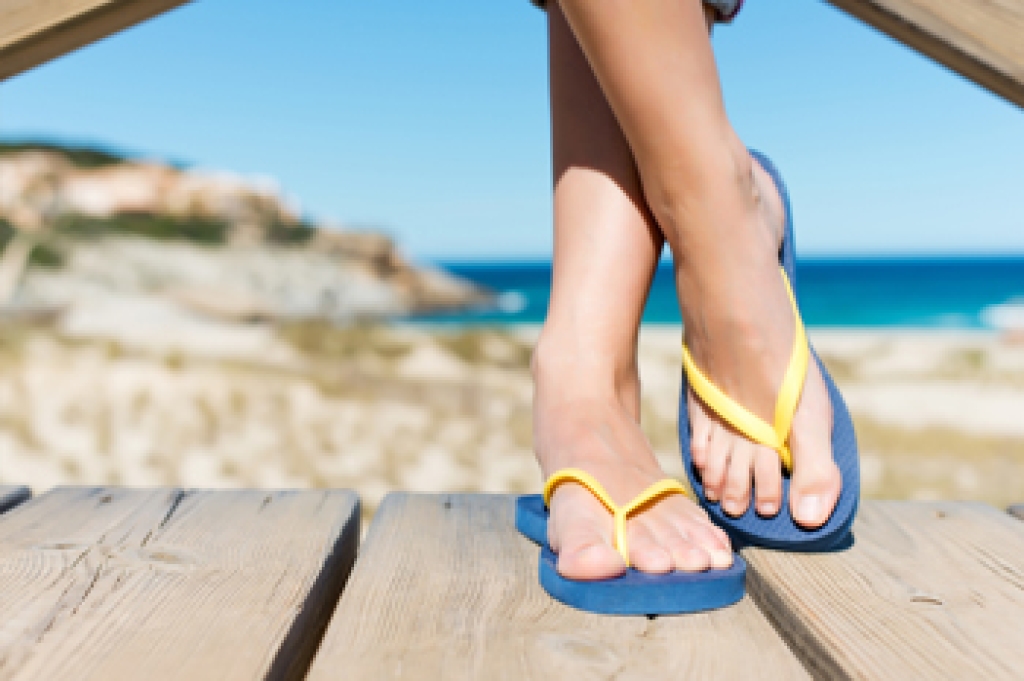
Understanding the Effects of Wearing Flip-Flops

Wearing flip-flops can have significant effects on feet, leading to various issues. The lack of arch support and minimal cushioning can cause strain on the arches, leading to conditions like plantar fasciitis or flat feet. The lack of foot stability and constant gripping of toes to keep the flip-flops in place can result in toe cramps and hammertoes. Additionally, flip-flops offer little protection, making feet vulnerable to injuries like cuts, scrapes, and stubbed toes. To mitigate these effects, opt for supportive and cushioned footwear when engaging in prolonged walking or physical activities. If you experience foot pain or discomfort from wearing flip-flops, it is suggested that you make an appointment with a podiatrist who can address any foot and ankle issues you may have and provide suitable footwear recommendations that promote foot health and overall comfort.

Flip-flops are not always the best choice of footwear. If you have any concerns about your feet or ankles, contact Daniel Bell, DPM from Florida. Our doctor will assist you with all of your foot and ankle needs.

Flip-Flops and Feet

When the weather starts warming up, people enjoy wearing flip-flops.  Flip-flops are comfortable, stylish, and easy to slip on and off; they're perfect for any summer beach goer.  However, these shoes can cause harm to the feet.

How Can Flip-Flops Affect Me Long-Term?

  • Ankle problems
  • Hip problems
  • Lower back problems
  • Pain in the balls of the feet
  • Problems with foot arches
  • Changes in the way you walk

Are There Injuries Associated with Flip-Flops?

Yes.  Since flip-flops are relatively weak and do not provide the same amount of support as sneakers, people who wear flip-flops regularly are more susceptible to injuries. On top of that, the open nature of the shoe makes your feet more prone to other problems, such as cuts and even infections.  Common injuries and ailments include:

  • Sprained ankles
  • Blisters
  • Infections
  • Cuts and Scrapes

I like Wearing Flip-Flops. Are There Safe Alternatives?

When buying flip-flops, try to find ones that have sturdy soles and that are made of high-quality materials that will support for your feet.  These flip-flops will cost more but will also last longer as a result.

If you have any questions, please feel free to contact our office located in Pembroke Pines and Plantation, FL . We offer the newest diagnostic and treatment technologies for all your foot care needs.
Read more about Flip Flops and Feet

Effects of Peripheral Artery Disease on the Feet

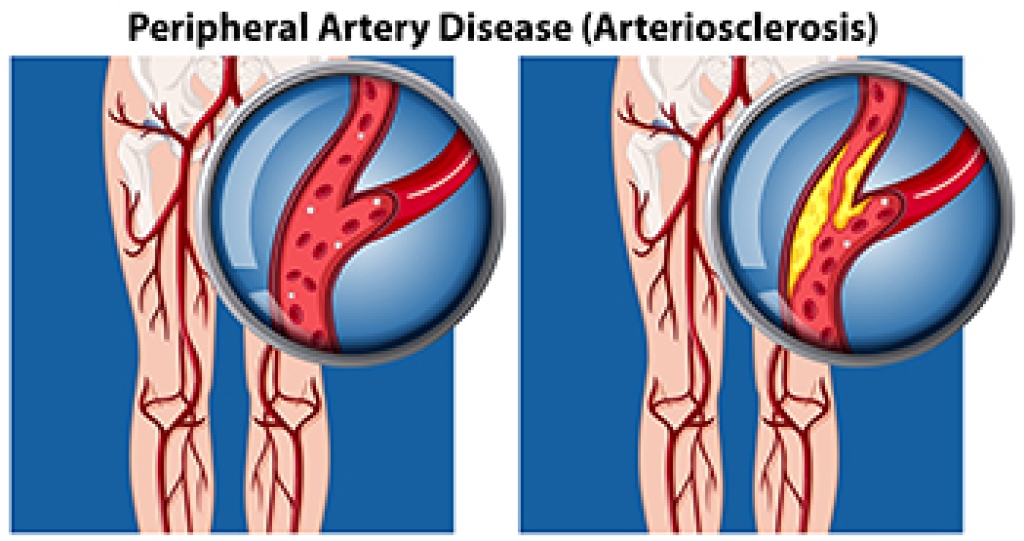
Peripheral artery disease, or PAD, results from a buildup of fatty deposits in the arteries that restrict blood supply to the lower extremities. As the blood vessels narrow, the feet are unable to receive the normal amount of oxygenated blood that is needed to keep them healthy, and studies show that people over the age of 60 have a significantly increased chance of developing PAD. Men are also more at risk than women. The most common risk factors for developing peripheral artery disease are smoking, excessive alcohol consumption, diabetes, and high cholesterol. Symptoms of peripheral artery disease include loss of hair on extremities, weakness in the legs, brittle toenails, and shiny skin. Certain lifestyle changes can help to reduce the effects of PAD. If left untreated, PAD also can lead to serious or life-threatening conditions, such as heart disease or stroke. If you notice a loss of sensation in the feet or legs, a burning or prickling feeling, or a change of color in the feet or toes, it is suggested that you make an appointment with a podiatrist for an exam and options for treatment. 

Peripheral artery disease can pose a serious risk to your health. It can increase the risk of stroke and heart attack. If you have symptoms of peripheral artery disease, consult with Daniel Bell, DPM from Florida. Our doctor will assess your condition and provide you with quality foot and ankle treatment.

Peripheral artery disease (PAD) is when arteries are constricted due to plaque (fatty deposits) build-up. This results in less blood flow to the legs and other extremities. The main cause of PAD is atherosclerosis, in which plaque builds up in the arteries.

Symptoms

Symptoms of PAD include:

  • Claudication (leg pain from walking)
  • Numbness in legs
  • Decrease in growth of leg hair and toenails
  • Paleness of the skin
  • Erectile dysfunction
  • Sores and wounds on legs and feet that won’t heal
  • Coldness in one leg

It is important to note that a majority of individuals never show any symptoms of PAD.

Diagnosis

While PAD occurs in the legs and arteries, Podiatrists can diagnose PAD. Podiatrists utilize a test called an ankle-brachial index (ABI). An ABI test compares blood pressure in your arm to you ankle to see if any abnormality occurs. Ultrasound and imaging devices may also be used.

Treatment

Fortunately, lifestyle changes such as maintaining a healthy diet, exercising, managing cholesterol and blood sugar levels, and quitting smoking, can all treat PAD. Medications that prevent clots from occurring can be prescribed. Finally, in some cases, surgery may be recommended.

If you have any questions, please feel free to contact our office located in Pembroke Pines and Plantation, FL . We offer the newest diagnostic and treatment technologies for all your foot care needs.
Read more about Peripheral Artery Disease

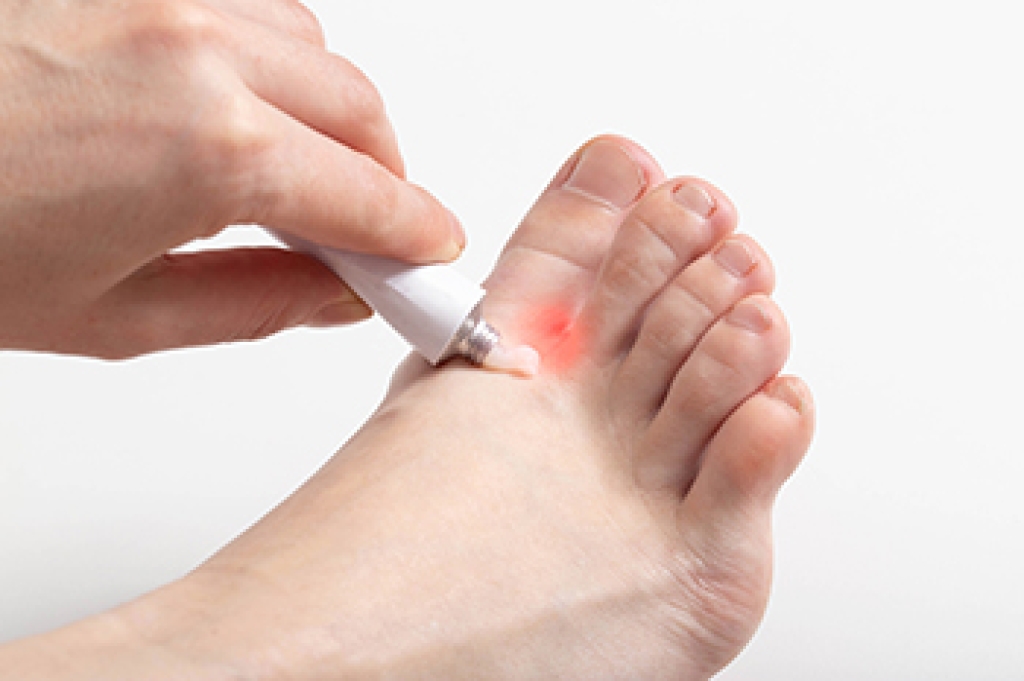
Athlete’s Foot Affects the Skin on the Feet

Many people will develop athlete’s foot at some point in their lives. It is a common foot condition that can cause the skin on the soles of the feet to itch, crack, and appear generally unattractive. It may also affect the skin between the toes and can cause discomfort. Athlete’s foot is caused by a fungus that lives in warm and moist areas. These can include locker rooms, public swimming pools and surrounding areas. The fungus can enter the body through small cracks in the skin, and it is beneficial to wear appropriate shoes while in these types of environments. Many people choose to seek relief from a podiatrist when their feet are unsightly and uncomfortable. A sample is often taken from the affected skin which can confirm athlete’s foot, and medication can be prescribed. If you have developed this condition, it is strongly suggested that you are under the care of this type of doctor who can help you with correct treatment options.

Athlete’s Foot

Athlete’s foot is often an uncomfortable condition to experience. Thankfully, podiatrists specialize in treating athlete’s foot and offer the best treatment options. If you have any questions about athlete’s foot, consult with Daniel Bell, DPM from Florida. Our doctor will assess your condition and provide you with quality treatment.

What Is Athlete’s Foot?

Tinea pedis, more commonly known as athlete’s foot, is a non-serious and common fungal infection of the foot. Athlete’s foot is contagious and can be contracted by touching someone who has it or infected surfaces. The most common places contaminated by it are public showers, locker rooms, and swimming pools. Once contracted, it grows on feet that are left inside moist, dark, and warm shoes and socks.

Prevention

The most effective ways to prevent athlete’s foot include:

  • Thoroughly washing and drying feet
  • Avoid going barefoot in locker rooms and public showers
  • Using shower shoes in public showers
  • Wearing socks that allow the feet to breathe
  • Changing socks and shoes frequently if you sweat a lot

Symptoms

Athlete’s foot initially occurs as a rash between the toes. However, if left undiagnosed, it can spread to the sides and bottom of the feet, toenails, and if touched by hand, the hands themselves. Symptoms include:

  • Redness
  • Burning
  • Itching
  • Scaly and peeling skin

Diagnosis and Treatment

Diagnosis is quick and easy. Skin samples will be taken and either viewed under a microscope or sent to a lab for testing. Sometimes, a podiatrist can diagnose it based on simply looking at it. Once confirmed, treatment options include oral and topical antifungal medications.

If you have any questions, please feel free to contact our office located in Pembroke Pines and Plantation, FL . We offer the newest diagnostic and treatment technologies for all your foot care needs.

Read more about Athlete's Foot

Connect With Us