Flip Flops May Affect Foot Health

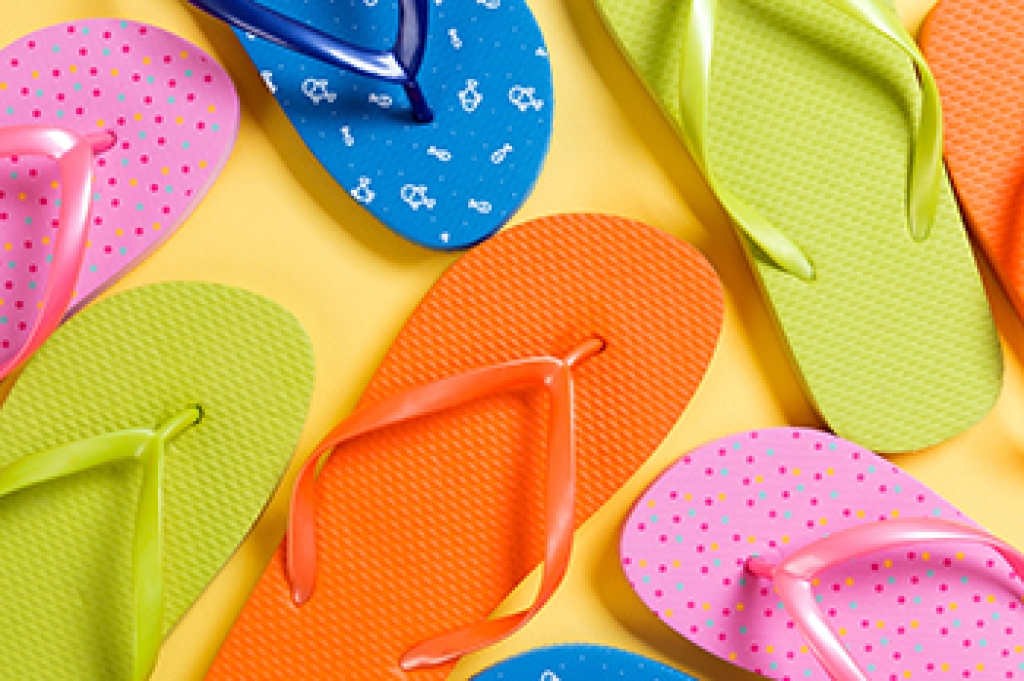
Flip flops are popular shoes to wear in the spring and summer months. They are easy to slip on and off and are available in various colors. Despite the simplicity of wearing these types of shoes, research has shown they may not be ideal for overall foot health. The feet work differently in shoes that do not have a back, forcing the toes to grip the front of the shoe. They can have a negative impact on the arch, and heel pain may develop. There may be tension in the front of the ankle and the toes, and performing specific stretches may help to reduce it. A calf stretch is effective in properly stretching the heel and Achilles tendon. This is done by standing on a step and lowering the heels one at a time until a gentle stretch is felt. There are other alternatives to wearing flip flops, and if you are interested in learning about what type of shoes these are, it is suggested that you consult with a podiatrist who can provide you with the correct information.

Flip-flops can cause a lot of problems for your feet. If you have any concerns about your feet or ankles, contact Daniel Bell, DPM from Florida. Our doctor will assist you with all of your foot and ankle needs.

Flip-Flops and Feet

Flip-flops have managed to become a summer essential for a lot of people. While the shoes may be stylish and easy to slip on and off, they can be dangerous to those who wear them too often. These shoes might protect you from fungal infections such as athlete’s foot, but they can also give you foot pain and sprained ankles if you trip while wearing them.

When Are They Okay to Wear?

Flip-flops should only be worn for very short periods of time. They can help protect your feet in places that are crawling with fungi, such as gym locker rooms. Athlete’s foot and plantar warts are two common fungi that flip-flops may help protect your feet against.

Why Are They Bad for My Feet?

These shoes do not offer any arch support, so they are not ideal for everyday use. They also do not provide shock absorption or heel cushioning which can be problematic for your feet. Additionally, you may suffer from glass cuts, puncture wounds, and stubbed toes since they offer little protection for your feet.

More Reasons Why They Are Bad for Your Feet

  • They Slow You Down
  • May Cause Blisters and Calluses
  • Expose Your Feet to Bacteria

If you have any questions, please feel free to contact our office located in Pembroke Pines and Plantation, FL . We offer the newest diagnostic and treatment technologies for all your foot care needs.
Read more about Flipping Out About Flip Flops

Orthotics and Martial Arts

Those who engage in martial arts should be familiar with protecting the body and feet when participating in these combat activities. However, some individuals who practice martial arts may need additional support for their feet. To address this, a martial arts participant might use a special kind of orthotic device that is specifically made for this activity. These orthotics provide support for the feet through foot arch padding. However, the orthotics are designed to be worn without shoes and in a way that maximizes barefoot contact with the floor. In other words, these orthotics try to imitate the feeling of being barefoot on the ground. Some of these particular orthotic devices wrap around the ankle and the front of the foot. If you are someone that engages in martial arts, it is highly suggested that you schedule an appointment today with a podiatrist.  

If you are having discomfort in your feet and would like to try orthotics, contact Daniel Bell, DPM from Florida. Our doctor can provide the care you need to keep you pain-free and on your feet.

What Are Orthotics?

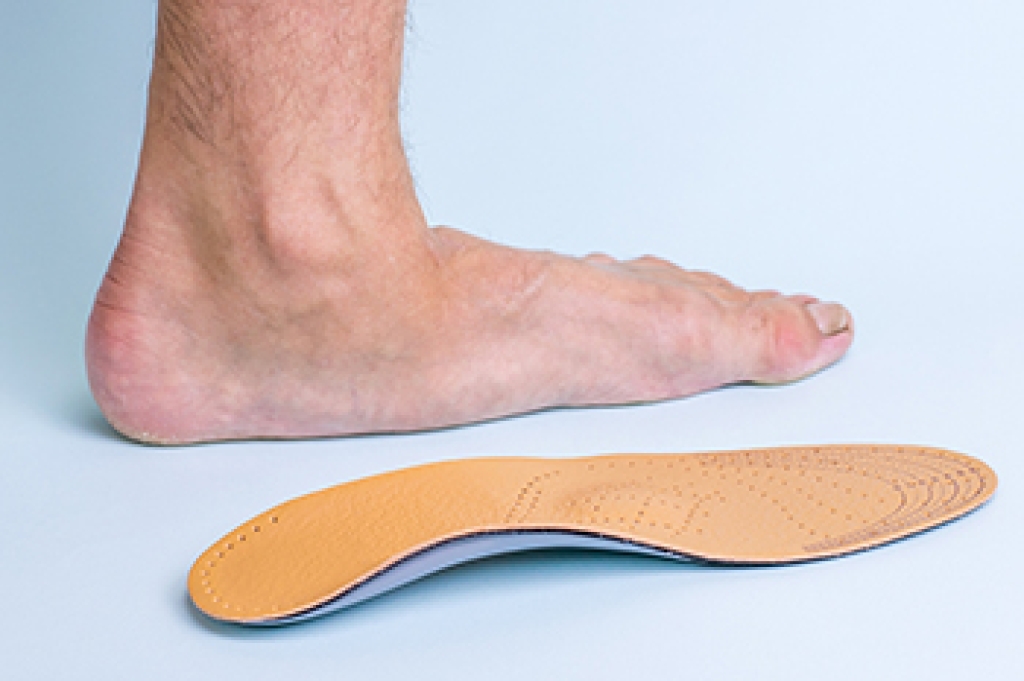
Orthotics are inserts you can place into your shoes to help with a variety of foot problems such as flat feet or foot pain. Orthotics provide relief and comfort for minor foot and heel pain but can’t correct serious biomechanical problems in your feet.

Over-the-Counter Inserts

Orthotics come in a wide variety of over-the-counter inserts that are used to treat foot pain, heel pain, and minor problems. For example, arch supports can be inserted into your shoes to help correct overarched or flat feet, while gel insoles are often used because they provide comfort and relief from foot and heel pain by alleviating pressure.

Prescription Orthotics

If over-the-counter inserts don’t work for you or if you have a more severe foot concern, it is possible to have your podiatrist prescribe custom orthotics. These high-quality inserts are designed to treat problems such as abnormal motion, plantar fasciitis, and severe forms of heel pain. They can even be used to help patients suffering from diabetes by treating foot ulcers and painful calluses and are usually molded to your feet individually, which allows them to provide full support and comfort.

If you are experiencing minor to severe foot or heel pain, it’s recommended to speak with your podiatrist about the possibilities of using orthotics. A podiatrist can determine which type of orthotic is right for you and allow you to take the first steps towards being pain-free.

If you have any questions, please feel free to contact our office located in Pembroke Pines and Plantation, FL . We offer the newest diagnostic and treatment technologies for all your foot care needs.
Read more about Foot Orthotics

Swollen Feet Is a Normal Part of Pregnancy

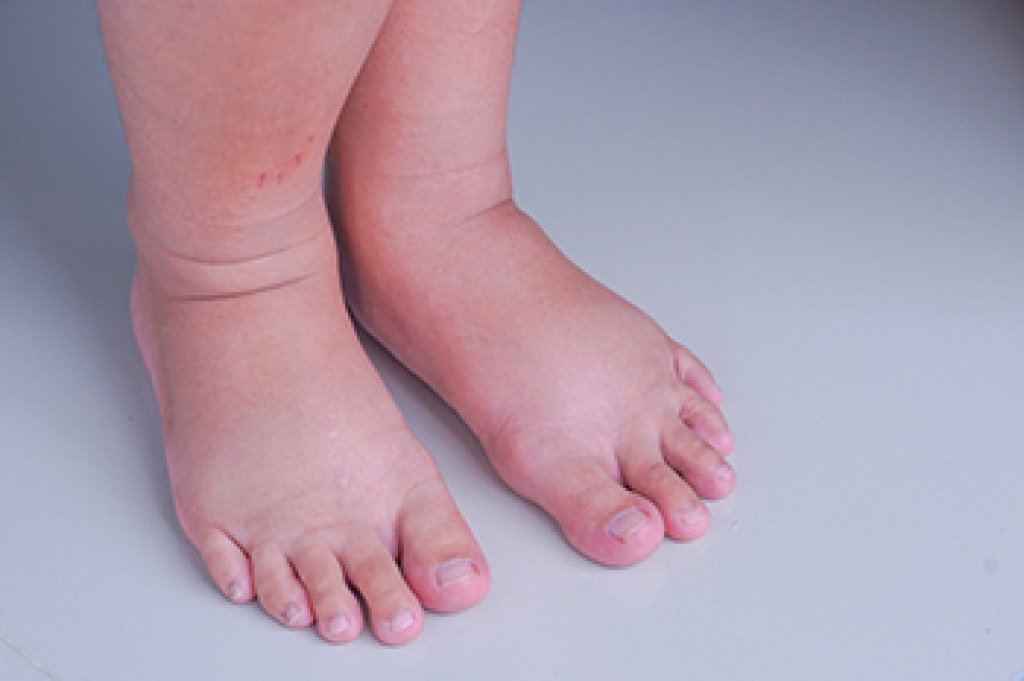
Having swollen feet and ankles is a normal condition many pregnant women experience. It is generally temporary, despite the discomfort it can bring. One of the changes the body undergoes consists of retaining fluids, which often collect in the lower extremities. The developing fetus causes the blood to become thicker, providing the necessary nutrients during this time. It is helpful to avoid standing for prolonged periods, and walking can help to improve circulation. If the swelling is severe, compression stockings may be worn that can help to move the fluids away from the ankles. Additionally, the swelling may be reduced when sodium intake is limited, and cool environments are preferred, keeping the body temperature comfortable. If you would like more information about how pregnancy affects the feet, it is suggested that you consult with a podiatrist who can address any concerns you may have.

Pregnant women with swollen feet can be treated with a variety of different methods that are readily available. For more information about other cures for swollen feet during pregnancy, consult with Daniel Bell, DPM from Florida. Our doctor will attend to all of your foot and ankle needs.

What Foot Problems Can Arise During Pregnancy?

One problem that can occur is overpronation, which occurs when the arch of the foot flattens and tends to roll inward.  This can cause pain and discomfort in your heels while you’re walking or even just standing up, trying to support your baby.  

Another problem is edema, or swelling in the extremities. This often affects the feet during pregnancy but tends to occur in the later stages. 

How Can I Keep My Feet Healthy During Pregnancy?

  • Wearing orthotics can provide extra support for the feet and help distribute weight evenly
  • Minimize the amount of time spent walking barefoot
  • Wear shoes with good arch support
  • Wear shoes that allow for good circulation to the feet
  • Elevate feet if you experience swelling
  • Massage your feet
  • Get regular, light exercise, such as walking, to promote blood circulation to the feet

If you have any questions please feel free to contact our office located in Pembroke Pines and Plantation, FL . We offer the newest diagnostic and treatment technologies for all your foot and ankle needs.

Read more about Foot Care for Pregnant Women

Heel Pain Can Be Treated!

Do you suffer from heel pain when you get up in the morning? If so, you should seek professional help and have a proper diagnosis performed. Heel pain can be caused by several different foot-related conditions.

How Did I Develop an Ingrown Toenail?

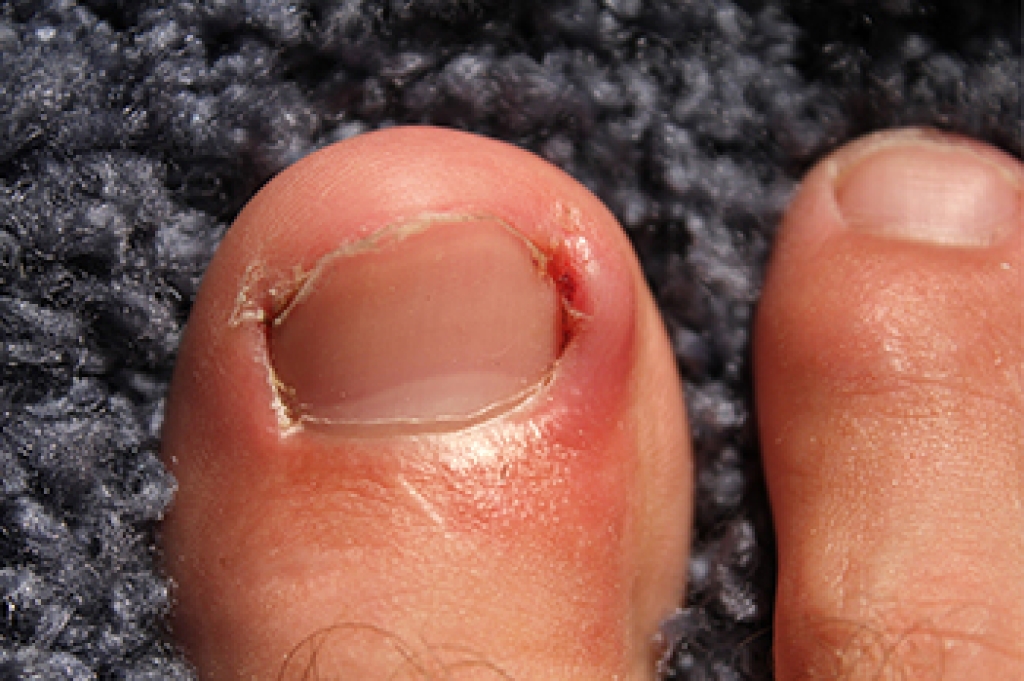
The pain and discomfort that can happen from having an ingrown toenail can cause difficulty in completing daily activities. They occur when the side of the toenail grows into the skin instead of over it. Ingrown toenails can occur from wearing shoes that are too tight, such as high heels or shoes with a pointed toe. They may also happen if the toenails are trimmed incorrectly or possibly for genetic reasons. Some patients are born with abnormal nail shapes, and this may cause an ingrown toenail to develop. The first sign an ingrown toenail is developing can be mild swelling and redness, and if not treated promptly, the nail may become painful. The nail may turn a white or yellow color, which may precede a possible infection. Soaking the affected foot in warm water may bring mild relief, followed by using a piece of cotton to gently remove the nail from digging into the skin. This may provide temporary relief and will ultimately need to be examined by a podiatrist. If you have developed this condition, it is suggested that you consult with this type of doctor who can successfully treat ingrown toenails. 

Ingrown toenails can become painful if they are not treated properly. For more information about ingrown toenails, contact Daniel Bell, DPM of Florida. Our doctor can provide the care you need to keep you pain-free and on your feet.

Ingrown Toenails

Ingrown toenails occur when a toenail grows sideways into the bed of the nail, causing pain, swelling, and possibly infection.

Causes

  • Bacterial infections
  • Improper nail cutting such as cutting it too short or not straight across
  • Trauma to the toe, such as stubbing, which causes the nail to grow back irregularly
  • Ill-fitting shoes that bunch the toes too close together
  • Genetic predisposition

Prevention

Because ingrown toenails are not something found outside of shoe-wearing cultures, going barefoot as often as possible will decrease the likeliness of developing ingrown toenails. Wearing proper fitting shoes and using proper cutting techniques will also help decrease your risk of developing ingrown toenails.

Treatment

Ingrown toenails are a very treatable foot condition. In minor cases, soaking the affected area in salt or antibacterial soaps will not only help with the ingrown nail itself, but also help prevent any infections from occurring. In more severe cases, surgery is an option. In either case, speaking to your podiatrist about this condition will help you get a better understanding of specific treatment options that are right for you.

If you have any questions please feel free to contact our office located in Pembroke Pines and Plantation, FL . We offer the newest diagnostic and treatment technologies for all your foot and ankle needs.

Read more about Ingrown Toenails

Connect With Us