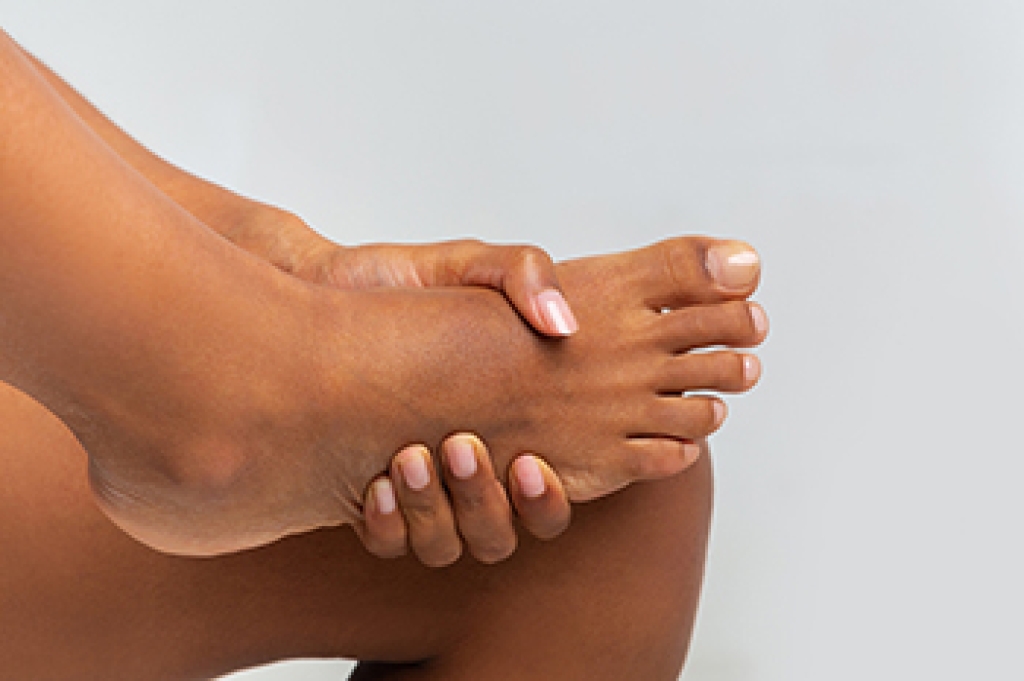
How Multiple Sclerosis Can Affect the Feet

Multiple sclerosis, or MS, can influence foot health in several ways because it impacts the nervous system, which controls muscle strength, balance, and sensation. Many individuals experience numbness or tingling in the feet, making it difficult to detect injuries or changes in pressure. Muscle weakness may alter walking patterns, leading to fatigue, instability, or an increased risk of falls. Some people develop spasticity, a tightness or stiffness in the muscles that can cause the foot to point downward or drag during movement. Changes in coordination may affect the way the foot lands with each step, creating strain on joints, tendons, and ligaments. Poor sensation and altered gait can also contribute to skin breakdown, calluses, and pressure sores, if not monitored carefully. A podiatrist can help manage these challenges by evaluating gait, recommending proper footwear or orthotics, and addressing any emerging foot problems promptly to maintain comfort and mobility. If you have MS and it is impacting your feet, it is suggested that you see a podiatrist for relief and management options.

When dealing with systemic disease of the feet, it is extremely important to check the affected areas routinely so that any additional problems are caught quickly.  If you have any concerns about your feet and ankles contact Daniel Bell, DPM from Florida. Our doctor will assist you with all of your podiatric needs.

Systemic Diseases of the Feet

Systemic diseases affect the whole body, and symptoms usually are displayed in the feet. This condition can make a patient’s ability to walk unbearable.  Systemic diseases include gout, diabetes mellitus, neurological disorders, and arthritis.

Gout – is caused by an excess of uric acid in the body. Common symptoms include pain, inflammation, and redness at the metatarsal/phalangeal joint of the base big toe. Gout can be treated by NSAIDs to relieve pain and inflammation, and other drugs that lower the acid levels in the body.

Diabetes mellitus – is an increase in the level of blood sugar that the body cannot counteract with its own insulin. Failure to produce enough insulin is a factor in Diabetes.

Diabetes of the Feet

Diabetic Neuropathy – may lead to damaged nerves and affect the feet through numbness and loss of sensation.

Peripheral Vascular Disease – can restrict the blood flow to the feet, and often times lead to amputation of the feet. 

If you have any questions please contact our office located in Pembroke Pines and Plantation, FL . We offer the newest diagnostic and treatment technologies for all your foot and ankle needs.

Read more about Systemic Diseases of the Foot

Clubfoot and Podiatric Care

Clubfoot is a congenital foot deformity in which a baby is born with one or both feet twisted inward and downward. The condition affects the bones, muscles, tendons, and ligaments, causing the foot to appear stiff and misaligned. Causes are not always known, but genetics, neuromuscular conditions, and developmental factors during pregnancy may play a role. Symptoms include an abnormal foot position, limited range of motion, differences in foot size, and difficulty bearing weight as a child grows. Without treatment, clubfoot can lead to pain and problems with walking. A podiatrist can help by diagnosing the condition early and coordinating appropriate care. Treatment may include gentle stretching, casting, bracing, and long-term monitoring to support proper development. If your child shows signs of clubfoot or abnormal foot positioning, it is strongly suggested that you include a podiatrist on your health care team to ensure an effective growth and mobility.

Congenital foot problems require immediate attention to avoid future complications. If you have any concerns, contact Daniel Bell, DPM of Florida. Our doctor can provide the care you need to keep you pain-free and on your feet.

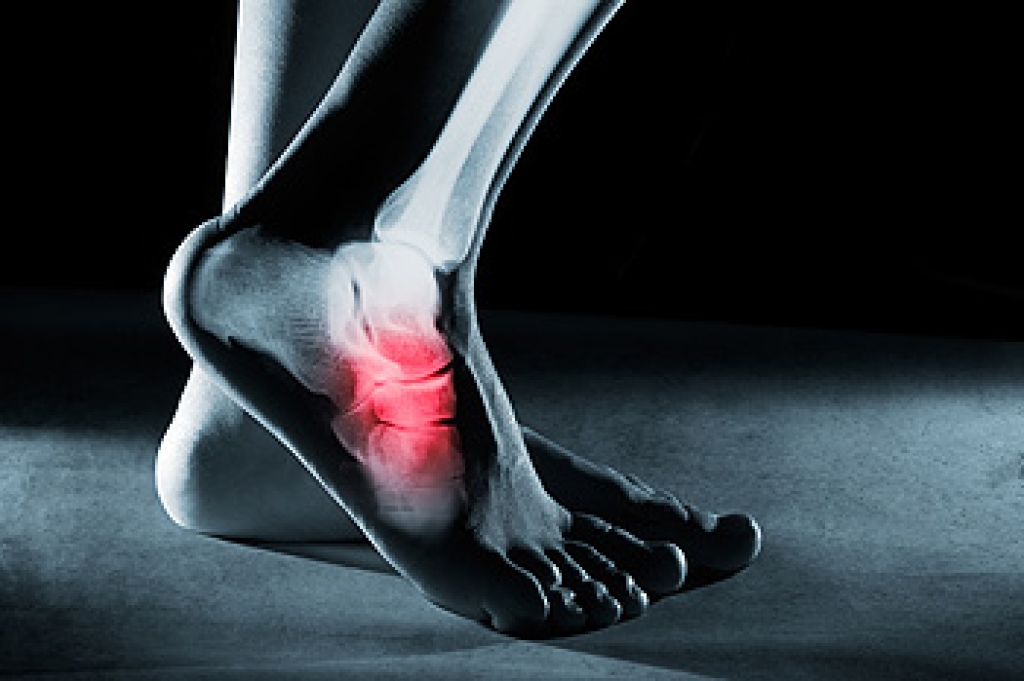
Congenital foot problems are deformities affecting the feet, toes, and/or ankles that children are born with. Some of these conditions have a genetic cause while others just happen. Some specific foot ailments that children may be born with include clubfeet, polydactyly/macrodactyly, and cleft foot. There are several other foot anomalies that can occur congenitally. What all of these conditions have in common is that a child may experience difficulty walking or performing everyday activities, as well as trouble finding footwear that fits their foot deformity. Some of these conditions are more serious than others. Consulting with a podiatrist as early as possible will help in properly diagnosing a child’s foot condition while getting the necessary treatment underway.

What are Causes of Congenital Foot Problem?

A congenital foot problem is one that happens to a child at birth. These conditions can be caused by a genetic predisposition, developmental or positional abnormalities during gestation, or with no known cause.

What are Symptoms of Congenital Foot Problems?

Symptoms vary by the congenital condition. Symptoms may consist of the following:

  • Clubfoot, where tendons are shortened, bones are shaped differently, and the Achilles tendon is tight, causing the foot to point in and down. It is also possible for the soles of the feet to face each other.
  • Polydactyly, which usually consists of a nubbin or small lump of tissue without a bone, a toe that is partially formed but has no joints, or an extra toe.
  • Vertical talus, where the talus bone forms in the wrong position causing other bones in the foot to line up improperly, the front of the foot to point up, and the bottom of the foot to stiffen, with no arch, and to curve out.
  • Tarsal coalition, when there is an abnormal connection of two or more bones in the foot leading to severe, rigid flatfoot.
  • Cleft foot, where there are missing toes, a V-shaped cleft, and other anatomical differences.
  • Macrodactyly, when the toes are abnormally large due to overgrowth of the underlying bone or soft tissue.

Treatment and Prevention

While there is nothing one can do to prevent congenital foot problems, raising awareness and receiving neonatal screenings are important. Early detection by taking your child to a podiatrist leads to the best outcome possible.

If you have any questions, please feel free to contact our office located in Pembroke Pines and Plantation, FL . We offer the newest diagnostic and treatment technologies for all your foot care needs.
Read more about Congenital Foot Problems

Managing Plantar Warts

Plantar warts are skin growths on the bottom of the foot caused by the human papillomavirus, or HPV, which enters through tiny cuts or weak spots in the skin. They may appear as small, rough, grainy lesions that interrupt the normal lines of the skin, sometimes with tiny dark spots inside. Plantar warts can feel tender or painful while standing or walking, often creating a sensation similar to stepping on a pebble. Symptoms may include localized pressure, mild swelling, or discomfort that worsens with activity. Causes are often linked to walking barefoot in warm and moist environments, such as locker rooms or around pools, as well as reduced immunity or repetitive foot stress. A podiatrist can start by evaluating the lesion, confirming the diagnosis, and ruling out other conditions like corns or calluses. Treatment options include topical therapies, debridement, or custom padding to relieve pressure. Because early professional care supports faster relief and prevents spreading, it is suggested that you schedule an appointment with a podiatrist for effective relief and treatment solutions.

Plantar warts can be very uncomfortable. If you need your feet checked, contact Daniel Bell, DPM from Florida. Our doctor will assist you with all of your foot and ankle needs.

About Plantar Warts

Plantar warts are the result of HPV, or human papillomavirus, getting into open wounds on the feet. They are mostly found on the heels or balls of the feet.

While plantar warts are generally harmless, those experiencing excessive pain or those suffering from diabetes or a compromised immune system require immediate medical care. Plantar warts are easily diagnosed, usually through scraping off a bit of rough skin or by getting a biopsy.

Symptoms

  • Lesions on the bottom of your feet, usually rough and grainy
  • Hard or thick callused spots
  • Wart seeds, which are small clotted blood vessels that look like little black spots
  • Pain, discomfort, or tenderness of your feet when walking or standing

Treatment

  • Freezing
  • Electric tool removal
  • Laser Treatment
  • Topical Creams (prescription only)
  • Over-the-counter medications

To help prevent developing plantar warts, avoid walking barefoot over abrasive surfaces that can cause cuts or wounds for HPV to get into. Avoiding direct contact with other warts, as well as not picking or rubbing existing warts, can help prevent the further spread of plantar warts. However, if you think you have developed plantar warts, speak to your podiatrist. He or she can diagnose the warts on your feet and recommend the appropriate treatment options.

If you have any questions, please feel free to contact our office located in Pembroke Pines and Plantation, FL . We offer the newest diagnostic and treatment technologies for all your foot care needs.

Read more about Plantar Warts

Are You Suffering From Ingrown Toenails?

If left untreated, an ingrown toenail can lead to more serious concerns, such as an infection. Knowing proper nail care can help in the prevention of an ingrown toenail. Give us a call, and get treated!

Definition and Causes of Gout

Gout is a painful form of inflammatory arthritis caused by a buildup of uric acid crystals in the joints, most commonly affecting the big toe. The pain may be so debilitating that even the weight of a sheet can cause discomfort. Several factors increase the risk of developing gout, including family history, male gender, older age, obesity, and frequent alcohol consumption. These elements can raise uric acid levels and trigger sudden attacks of severe redness, swelling, and intense joint pain. A podiatrist can diagnose gout through examination and testing, provide treatment to reduce inflammation, and offer long-term strategies to prevent future flare ups. Managing foot function and joint health is also essential for comfort and mobility. If you have symptoms of gout, it is strongly suggested that you are under the care of a podiatrist who can help you to manage this painful condition.

Gout is a foot condition that requires certain treatment and care. If you are seeking treatment, contact Daniel Bell, DPM from Florida. Our doctor will treat your foot and ankle needs.

What Is Gout?

Gout is a type of arthritis caused by a buildup of uric acid in the bloodstream. It often develops in the foot, especially the big toe area, although it can manifest in other parts of the body as well. Gout can make walking and standing very painful and is especially common in diabetics and the obese.

People typically get gout because of a poor diet. Genetic predisposition is also a factor. The children of parents who have had gout frequently have a chance of developing it themselves.

Gout can easily be identified by redness and inflammation of the big toe and the surrounding areas of the foot. Other symptoms include extreme fatigue, joint pain, and running high fevers. Sometimes corticosteroid drugs can be prescribed to treat gout, but the best way to combat this disease is to get more exercise and eat a better diet.

If you have any questions, please feel free to contact our office located in Pembroke Pines and Plantation, FL . We offer the newest diagnostic and treatment technologies for all your foot care needs.

Read more about Everything You Need to Know About Gout

Connect With Us